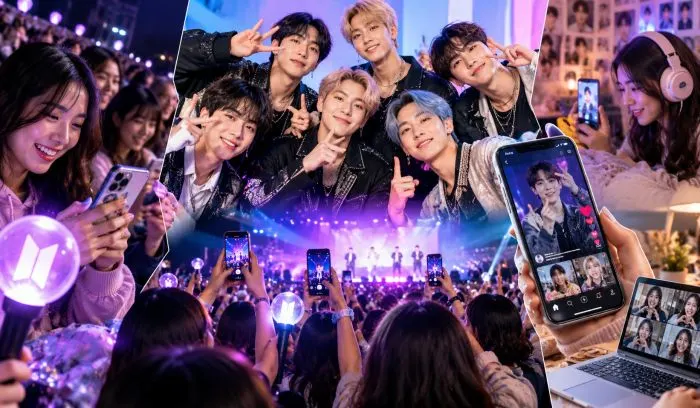
K-pop fandom culture trends are shifting in 2026. The biggest change is a move away from complex storylines. For years, groups like BTS and Enhypen built elaborate fictional universes. Fans had to piece together clues across videos and content.
That is changing. Newer groups like Riize and NCT Wish are opting for simpler, more relatable concepts. The focus is on everyday moments. Friendship. First encounters. Youthful emotions . Fans want an easier emotional connection. That is the new trend.
The Shift from Lore to Relatable Concepts
The old K-pop model was built on lore. BTS, Seventeen, and Tomorrow X Together created overarching narratives. Enhypen had a detailed vampire-themed universe. It explored fame, transformation, and brotherhood. The story extended across music, videos, and webtoons .
But some fans grew tired. Following complex storylines felt like homework. So new groups changed direction. Fifth-generation acts like Riize, TWS, and NCT Wish focus on simplicity. They sing about ordinary life. NCT Wish uses a Cupid motif, but it is not forced on listeners. In one highlight medley, Cupid is portrayed as an amnesiac college student. Easy to grasp. No deep context needed .
An industry official explained: "Compared to grand, complex narratives, using themes that feel closer to everyday life makes it much easier to connect with audiences" .
Read More: AI and Music Culture
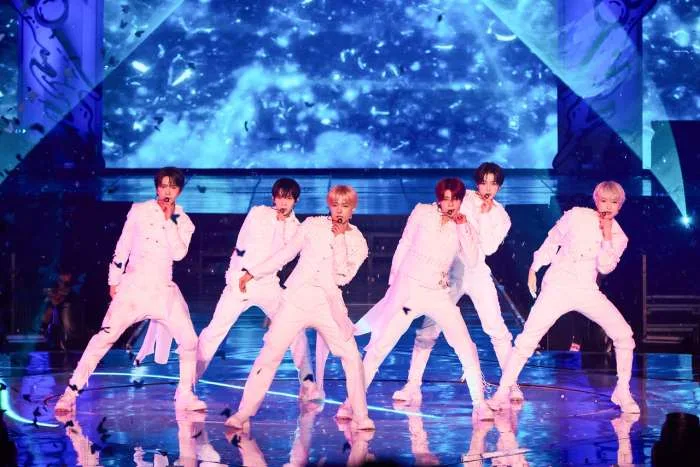
The Rise of "Superfans" and Participatory Culture
- The K-pop fandom culture trends are also defined by the rise of "superfans." These are not just listeners. They actively participate in an artist's entire career. They vote. They stream. They create content. They buy merchandise .
- Hybe CEO Lee Jae-sang calls this a "virtuous cycle." He said: "Fans are more than just listeners. They actively participate in the artist's entire scope of activities. This creates a virtuous cycle where word of mouth through social media and communities quickly leads to streaming" .
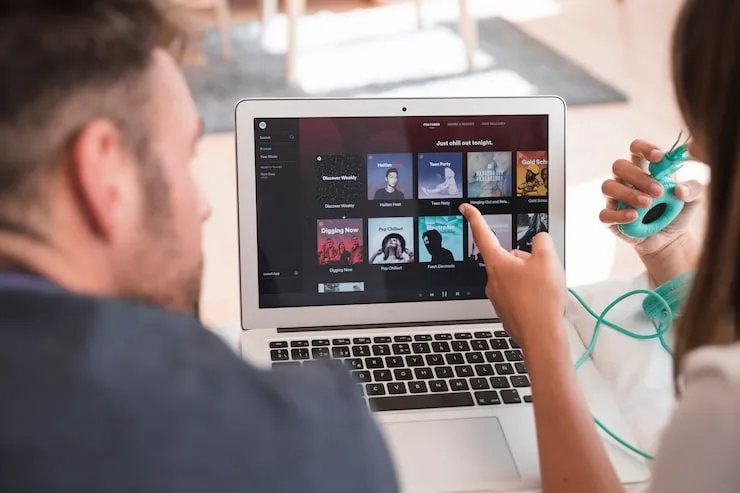
Platforms like Weverse have cultivated this culture. In 2025, Weverse had 12 million monthly active users. Fans spent an average of 263 minutes per month on the platform. They wrote over 300 million posts and comments .
New Promotional Tactics That Invite Fan Participation
Promotions are becoming more interactive. Artists are moving beyond teaser images and trailers. They create campaigns that invite fan participation .
- Le Sserafim launched the "#TimeToCelebrate" campaign months before their comeback. It centered on small, relatable experiences. "Wearing white socks." "Welcoming the weekend." Members replied to fan posts .
- Itzy's Yuna used Pinterest to promote her solo debut. She created a themed account called "Yuna's Ice Cream Shop." Day6's Wonpil shared his creative process on Notion. Tomorrow X Together built a virtual brand selling "anxiety relief items" .
An industry official said: "Rather than simply explaining an album's concept, recent strategies are focused on creating something fans can actively engage with" .
Fandom Trends by Country
The K-pop popularity by country is not uniform. The biggest markets in 2025 were South Korea, Japan, and Indonesia. The US moved up to fourth place. India slipped to fifth .
- International fans make up 92.9% of the fandom. South Korea is only the fourth-largest consumer at 7.1%. Indonesia has the largest fan base at 18.5%. The US is second at 10.2%. The Philippines is third at 9% .
- But engagement differs from reach. In the Philippines, ENHYPEN drove engagement through a Dunkin' partnership and a local "homecoming" event. ILLIT generated strong engagement through fan-created reaction memes, despite a smaller share of mentions .
In Indonesia, local connections mattered. Hearts2Hearts had 55.9% of female-group mentions. The presence of Indonesian member Carmen drove fan reactions. CORTIS benefited from its first Indonesian appearance at a festival .
The "Deokhu" Trend: Shared Tastes Over Star Power
A new trend is the "deokhu" power of idols. This means hardcore fan appeal based on shared interests. Fans are no longer just cheering for polished on-stage personas. They want to know what idols eat, wear, and care about .
Le Sserafim's Sakura turned her knitting hobby into a brand called KKUROCHET. She sparked a "Sophie Hood" trend. ILLIT's Wonhee is known as a "cosmetic deokhu." She demonstrates makeup on livestreams. Izuna's Bang Jimin became the "dessert goddess" after queuing for salt bread .
A Chosun report explained: "Fans today consume and experience idols' tastes together, building relationships. They eat desserts recommended by their 'beloved,' buy the same cosmetics, and share hobbies" .
When Did K-pop Become Popular Worldwide?
- The K-pop history is often divided into generations. The first generation began in the 1990s. Seo Taeji and Boys ignited a revolution in 1992. Their song "I Know" topped charts for 17 weeks. That was the birth of K-pop .
- The second generation, in the early 2000s, saw K-pop gain footholds in China, Japan, and Southeast Asia. The third generation took expansion further west. BTS and Blackpink broke into Billboard charts and American talk shows .
- But the global breakthrough had a specific moment. Psy's "Gangnam Style" in 2012 shattered the mold. It proved a Korean song could be a worldwide hit without being in English. One official video had over three billion views .
- The infrastructure was ready. Korean companies embraced international platforms like YouTube, Facebook, and Twitter. Fans overseas could immediately stream or buy music .
You May Also Read: How Streaming Changed American
Korean Pop Culture Examples Beyond Music
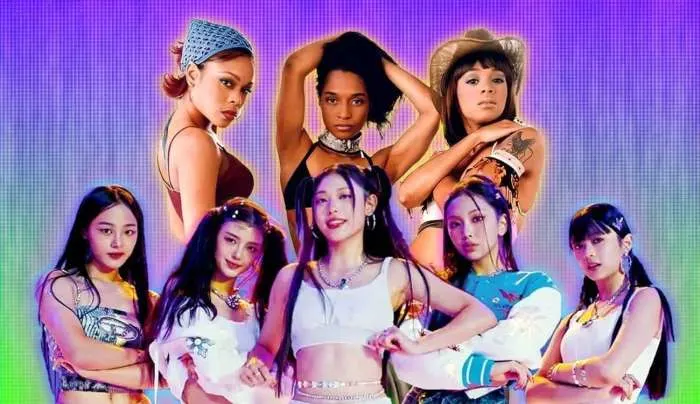
The K-pop culture influence extends far beyond music. Korean pop culture examples are everywhere now. Squid Game 3 topped Netflix charts in 93 countries for two straight weeks. KPop Demon Hunters topped Billboard and Spotify charts. The Korean musical "Maybe Happy Ending" won six Tony Awards .
Parasite won the Best Picture Oscar in 2020. It was the first non-English-language film to do so. Bong Joon-ho's line about the "1-inch-tall barrier of subtitles" became a cultural touchstone .
The Hollywood Reporter noted: "Fans became zealous cultural foot soldiers, streaming, voting and building global communities on Instagram, TikTok and Twitter" .
Final Word
K-pop fandom culture trends in 2026 are about accessibility and participation. The lore is fading. The relatable concepts are rising. Superfans are driving the industry. Promotions are becoming interactive and the global fanbase is diversifying. K-pop is no longer just Korean. It is a global culture, reinterpreted by fans worldwide. That is the trend that matters most.
FAQs
1. Why is K-pop so popular?
The infrastructure. YouTube, Twitter, Weverse. Fans overseas can stream and buy instantly. Social media spreads word fast. The fandom is participatory. Fans do not just listen. They vote, stream, create content. That creates a virtuous cycle.
2. What is the biggest K-pop fandom trend in 2026?
The shift away from lore. New groups like Riize, TWS, and NCT Wish focus on simple, relatable concepts. Everyday life. Friendship. Youthful emotions. Fans want easier emotional connection. Not homework.
3. What is a "superfan" in K-pop?
More than a listener. They actively participate in an artist's entire career. They vote. Stream. Create content. Buy merchandise. Platforms like Weverse cultivate this. 12 million monthly users. 263 minutes per month. 300 million posts and comments.
4. What is the "deokhu" trend?
Hardcore fan appeal based on shared interests. Fans want to know what idols eat, wear, and care about. Le Sserafim's Sakura turned knitting into a brand. ILLIT's Wonhee is a "cosmetic deokhu." Fans share hobbies with their idols.
5. What is K-pop popularity by country?
International fans are 92.9% of the fandom. South Korea is only 7.1%. Indonesia has the largest fan base at 18.5%. US is second at 10.2%. Philippines third at 9%. India slipped to fifth.
6. When did K-pop become popular worldwide?
The global breakthrough was Psy's "Gangnam Style" in 2012. Over three billion views. Proved a Korean song could be a worldwide hit without English. But the infrastructure was ready. YouTube, Facebook, Twitter. Fans could stream instantly.
7. What are Korean pop culture examples?
Squid Game 3. Topped Netflix in 93 countries. KPop Demon Hunters. Topped Billboard and Spotify. Parasite won Best Picture Oscar in 2020. First non-English film to do so. The Korean musical "Maybe Happy Ending" won six Tony Awards.
8. How are K-pop promotions changing?
More interactive. Le Sserafim's "#TimeToCelebrate" campaign. Itzy's Yuna on Pinterest. Day6's Wonpil on Notion. Tomorrow X Together built a virtual brand. Rather than explaining a concept, strategies create something fans can engage with.