
Gen Z has a reputation for being hard to pin down. They are the generation that grew up with phones in their hands. They have seen trends come and go in minutes. But their relationship with music is different from what many people assume. They are not just scrolling past songs.
They are deeply connected to what they listen to. They use music for mood, identity, and community. They are also bringing back music from before they were born. This article looks at Gen Z music culture trends and what makes their taste unique. It also looks at millennial music and how the two generations compare.
Who Is Gen Z and How Do They Listen?
Gen Z covers a wide age range. The oldest are in their late twenties. The youngest are teenagers . This makes it hard to generalise about them. A ninth grader and a young professional have very little in common. But they share one thing. They have grown up on the same platforms. Social media has flattened culture. Everyone sees the same trends, memes, and feeds at the same time. No previous generation experienced this .
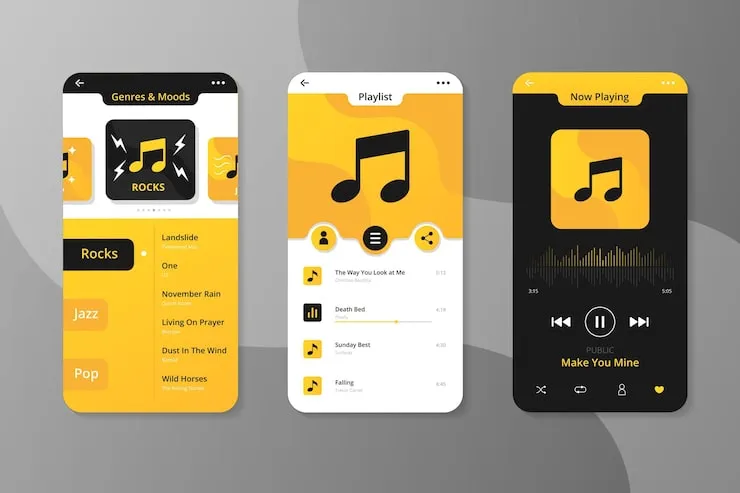
Gen Z spends a lot of time on music. They make up 35 percent of Spotify's audience . They stream for about two hours a day. This makes them the most dedicated listeners on the platform. They are not passive consumers either. They comment, repost, and share music with their friends. This social interaction is how new music scenes are born .
Read More: How Streaming Changed American

The Four Pillars of Gen Z Music
A study of 18 to 25 year olds found that music plays four big roles in their lives .
A Background Soundtrack
Music is always on. They listen while studying, working, and commuting. It fills the silence and keeps them company.
Emotional Support
Music helps them manage their mood. They turn to it when they feel stressed, sad, or happy. It is a tool for emotional regulation.
Identity and Self-Expression
What they listen to says something about who they are. They use music to show their personality and values.
Community Building
Music brings them together with others. They bond over shared playlists, artists, and festival experiences. It broadens their worldview.
What Gen Z Is Actually Listening To?
Gen Z listeners are musical omnivores . They do not stick to one genre. They have a taste for mood and emotion over strict genre labels. They are exploring a wide range of styles.
Pop Leads the Way
Pop music is the top genre for Gen Z. Hip-hop and R&B come next. Indie, rock, and folk also have a strong following. House and electronic music round out the list . This covers the mainstream bases.
Brazilian Funk on the Rise
One of the fastest-growing genres among Gen Z is Brazilian funk . Its rise is linked to other trends. Fitness culture is peaking with this generation. They are buying tech wearables and focusing on health. This has boosted the popularity of high-energy, gym-friendly music .
The Return of Indie and Rock
Gen Z is also rediscovering guitar music. Bands with noisy, raw, and chaotic sounds are finding new fans . Some observers think this is a reaction to AI. Young people are surrounded by artificial content. They want something they know is real .
Millennial indie rock is back in a big way. Scuzzy indie and guitar-driven sounds from the late 2000s are fashionable again. Bands that once defined the millennial era are touring and gaining new listeners .
Gen Z and Nostalgia: Bringing Back the 2000s
Gen Z has a strong interest in music from the 2000s. It is not just millennials feeling nostalgic. Young people are actively seeking out songs from before they were born .
Why Older Music Appeals?
- There are a few reasons for this. Social media plays a big part. Instagram and YouTube Shorts bring back old aesthetics and trends. Young people do not want to miss out when their friends are talking about a revived song .
- Nostalgia itself is trending. Older songs offer a sense of comfort that new releases sometimes lack. They remind listeners of simpler times, even if they did not experience them firsthand .
- Lo-fi beats, popular for studying and relaxing, often feature music from the 2000s. This gives older songs new life with a younger audience .
Millennial Music vs Gen Z Taste
- Millennial music is the soundtrack of the late 2000s and early 2010s. Artists like MGMT, Matt and Kim, Lady Gaga, and Kesha defined that era . This was the age of "recession pop". The music was fun, upbeat, and escapist. It was made for dancing and forgetting your troubles .
- Gen Z is different. They are less tied to a single era. They mix old and new freely. But they are clearly drawn to the authenticity of older music. They crave raw, chaotic, and real sounds . Millennials may have grown up with this music. Gen Z is discovering it for the first time .
You May Also Read: Pop Culture Trends Dominating America Right Now
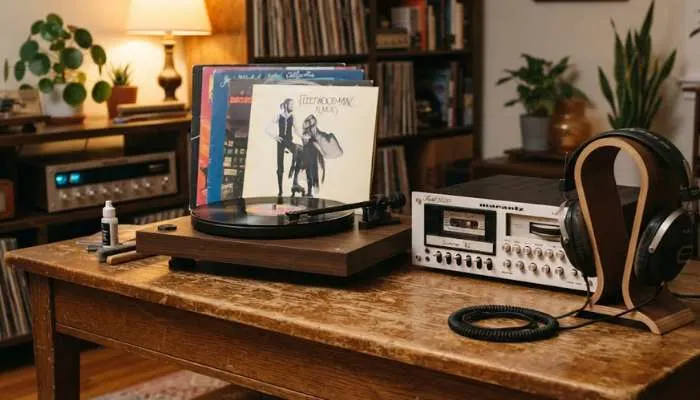
How Gen Z Discovers Music?
Discovery is social. It does not happen on charts. It happens through community interaction .
Scenes Form Outside Genres
Music scenes are now forming faster than rigid genre definitions can keep up . "Eclectic New Indie" is a good example. It blends indie, alternative hip hop, and experimental sounds. Around 80 percent of its listeners are Gen Z .
Social platforms like SoundCloud are where these scenes start. Metrics like comments, follows, and reposts show early fan behaviour. This points to scenes forming before they are commercialised anywhere else . Listeners who discover music through another user's likes are more likely to like, repost, or comment themselves .
FAQs
1. What defines Gen Z music taste compared to millennials?
Gen Z are musical omnivores who value mood and emotion over strict genres. They are bringing back music from the 2000s and have a strong interest in raw, chaotic sounds . Millennials grew up with the fun, upbeat "recession pop" of the late 2000s . Gen Z is more likely to blend old and new, seeking comfort and authenticity in older music .
2. What does Gen Z listen to the most?
Pop music is the top genre for Gen Z. Hip-hop and R&B are also very popular . Brazilian funk is one of the fastest-growing genres . Indie, rock, and electronic music also have a strong following. Gen Z listeners do not stick to one style. They explore many different genres .
3. What is millennial music?
Millennial music refers to the pop, indie, and party anthems from roughly 2008 to 2014 . Think artists like MGMT, Lady Gaga, Kesha, Vampire Weekend, and Flo Rida. It was often upbeat and escapist, designed to keep spirits high during the recession . This era is now coming back into fashion .
4. Why is Gen Z interested in older music?
Social media brings back old trends and aesthetics . Young people do not want to miss out. Older songs also provide a sense of comfort and nostalgia. Lo-fi beats often feature music from the 2000s, giving it new life . Some observers also believe Gen Z is seeking "real" music as a reaction to AI .
5. How does Gen Z discover new music?
Discovery is highly social. Gen Z finds music through community interaction on platforms like Spotify and SoundCloud. Comments, reposts, and likes drive momentum . Music scenes form outside traditional genres. Listeners who discover music through a friend's likes are more likely to engage with it themselves .